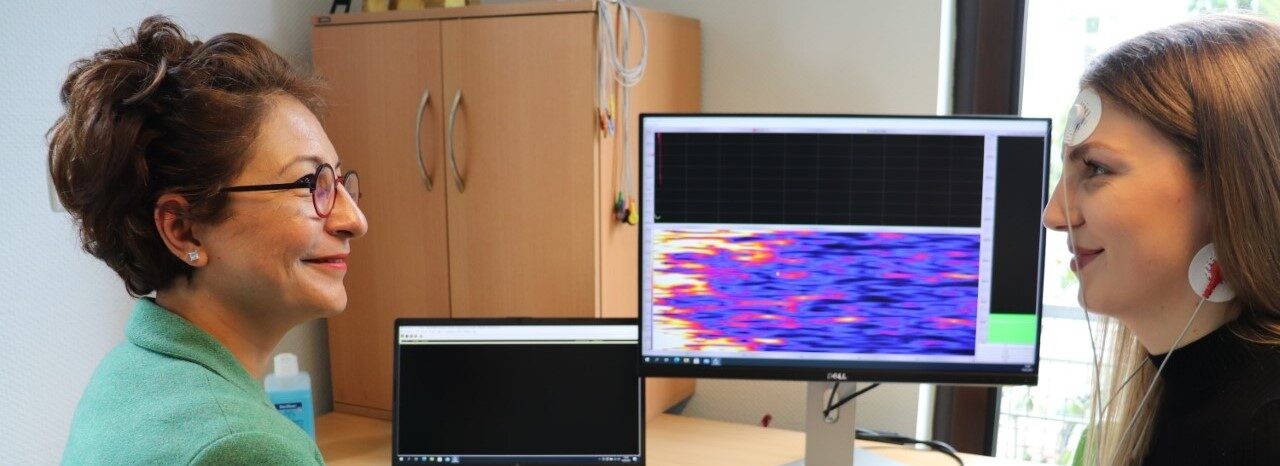
Neurofeedback in Berlin for ADHD
Neurofeedback in Berlin for ADHD

Eveline Hedtke
Neurofeedback specialist

ADHD is not a childhood phenomenon that "grows out". Many adults live with concentration problems, inner restlessness, impulsivity, or mental exhaustion – often without ever having specifically trained on how self-regulation in the brain actually develops.
Neurofeedback and biofeedback offer a learnable, measurable, and practical approach – provided they are implemented in a modern and high-quality manner.
This is precisely where we step in.
ADHD is not just an attention problem
ADHD is not primarily about "too little attention," but rather about:
insufficient self-regulation
unstable impulse control
a weak connection between brain and body
difficulties in consciously switching states
(e.g., from activity to rest, from sensory overload to focus)
Neurobiologically, this particularly affects the prefrontal and frontal networks – that is, those brain areas that enable planning, inhibition, language, working memory, and emotional control.
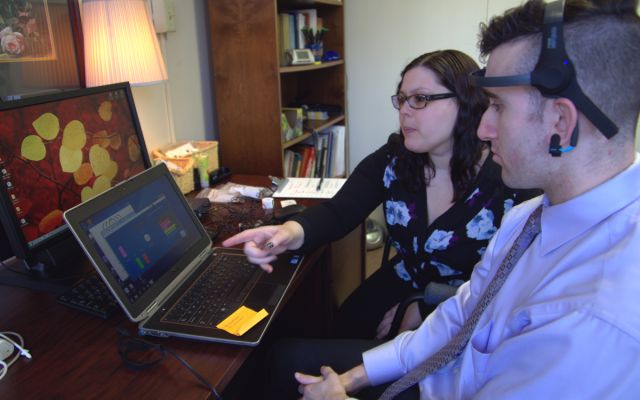
Which brain areas we specifically train with ADHD
In our neurofeedback protocols, we work among other things with the Brodmann areas:
BA 8, 9, 10 – planning, decision-making, cognitive control
BA 44, 45, 46 – language processing, impulse control, working memory
These areas are often under- or poorly coordinated in ADHD. The goal of training is not continuous activation, but flexible, situation-appropriate regulation.
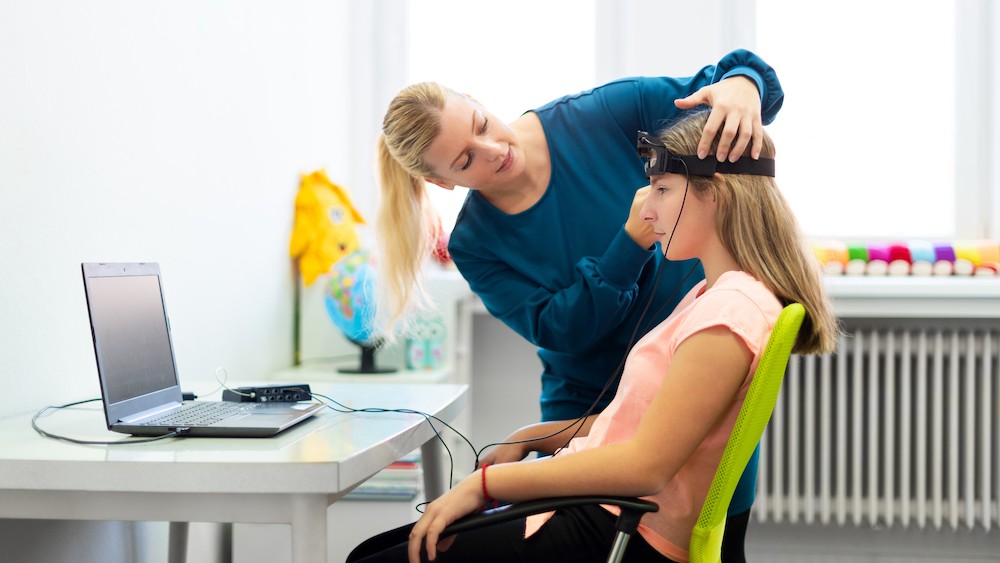
Neurofeedback and biofeedback simultaneously – why we combine both
Many people with ADHD are "in their heads," but poorly anchored in their bodies.
Or vice versa: physically restless, but mentally blocked.
That is why we combine Neurofeedback (EEG) with Biofeedback (e.g., muscle tension, breathing, vegetative regulation).
👉 The brain does not learn in isolation – it learns in the body.
Movement is not a disturbance for us – but part of the training
Traditionally, in neuro and biofeedback:
"Please do not move – otherwise artifacts will occur."
We see it differently.
Modern neurofeedback work means:
wireless Bluetooth systems
highly developed artifact filtering
software that calculates out movement instead of prohibiting it
This allows children (and adults):
to move more naturally
to reduce tension
to learn without performance pressure
Because a brain does not learn well under coercion – but in a safe, moving state.
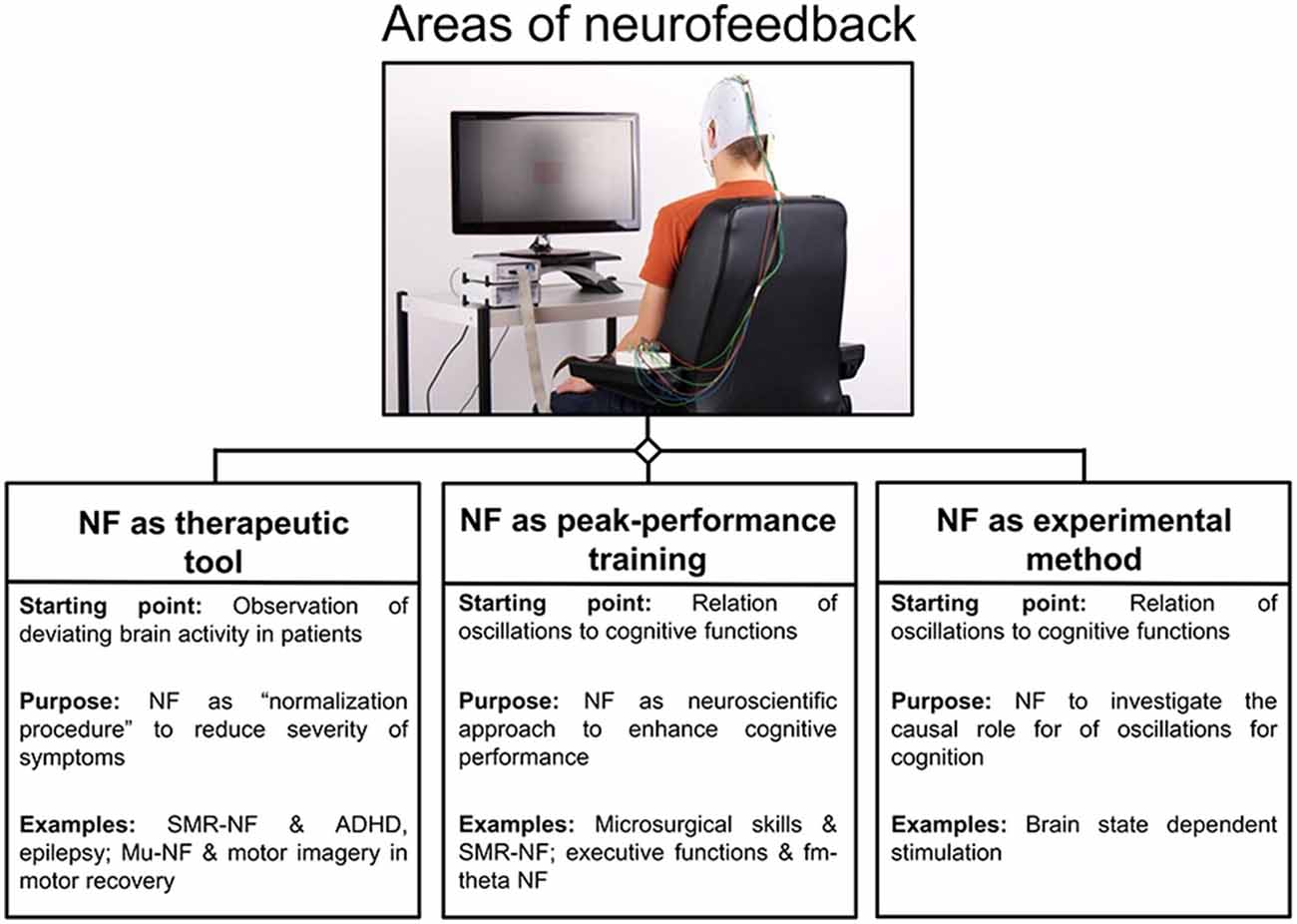
Gross and fine motor skills as the key to self-regulation
Our sessions specifically integrate:
gross motor exercises (stability, body tension, orientation)
fine motor tasks (coordination, precision, timing)
These elements are not an add-on, but neurobiologically highly effective – especially in ADHD.
We work, among other things, with methods from Robert Melillo, which specifically utilize sensory-motor stimuli to strengthen functional networks in the brain.
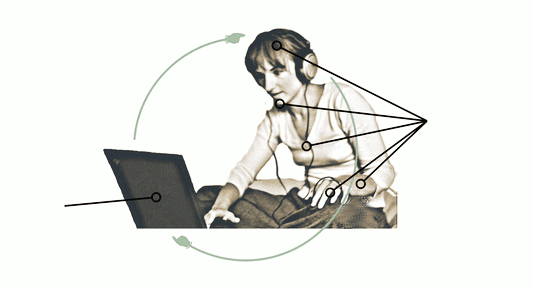
Pz training for impulse control and self-regulation
A central component in ADHD is our EEG training at Pz (parietal cortex).
The parietal lobe is crucial for:
sensory integration
body-space perception
self-regulation
transitions between thinking, feeling, and acting
Through this training, what many clients experience for the first time emerges:
"I notice earlier what is happening inside me – and can react differently."
Children and parents together – a special approach
Especially with children, we consciously work together with the parents.
Why?
Self-regulation is not an isolated children's problem
Nervous systems mirror each other – especially in families
Parents benefit enormously from the training themselves
Joint or parallel sessions:
strengthen relationships and understanding
reduce stress in the family system
accelerate learning processes in the child
State of the Art – not just a promise
We continuously invest in:
most modern hardware
current software generations
wireless, child-friendly systems
clean signals instead of "show effects"
Because good neurofeedback does not feel spectacular, but rather enlightening.
Conclusion: ADHD needs training – not inactivity
Neurofeedback for ADHD is not a passive "being treated".
It is active learning, embodied training, and sustainable skill development – for children just as much as for adults.
When the brain and the body work together again, what those affected by ADHD often miss emerges:
inner order, clarity, and genuine self-efficacy.